
GLAZAX Aluminium — Engineered for Premium Glazing
UAE-Based. Quality Driven. Built for Performance.
GLAZAX Aluminium is a UAE-based brand focused on delivering high-quality aluminium systems and components for modern architectural glazing applications.
Developed with a strong focus on precision, durability, performance, and contemporary design, GLAZAX solutions are engineered to meet the demanding requirements of luxury villas, premium residential developments, commercial projects, and high-end architectural applications.
From slim sliding, slim folding and slim hinged window and door systems to advanced aluminium profiles and glazing solutions, every GLAZAX system is designed to achieve the right balance between aesthetics, structural performance, minimal frames, smooth operation, and long-term reliability.
With quality at the core of every system, GLAZAX is committed to maintaining consistent manufacturing standards and delivering solutions that meet the expectations of architects, consultants, fabricators, and discerning clients.
GLAZAX — Precision Aluminium Systems for Exceptional Architecture.


Built for Today. Supported for the Future.
Choosing GLAZAX means choosing a system designed for long-term reliability and continued support.
Because GLAZAX systems are developed and supplied within the UAE, the required profiles, components, and accessories remain readily available for future maintenance, replacement, extensions, modifications, and additional units.
Whether it is an after-sales requirement, a future extension to an existing project, or an additional unit using the same system, our team can support you with the required materials and technical assistance.
For us, a project does not end with installation. We aim to provide long-term support throughout the life of the system, giving clients confidence that the same quality materials and compatible components can be sourced whenever required.
One system. One reliable source. Long-term support.


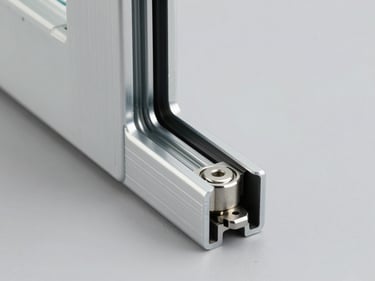
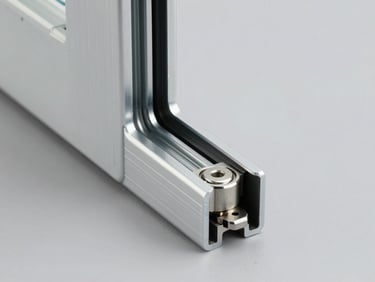
Engineered for the use case, not the catalogue.
Slim Folding Door
Slim Sliding Doors
Hinged Doors
Curtain Wall
Top or side-hung. Frame depth 68 mm, thermal break 24 mm, visible sight line 38 mm. Rated to RC2 security and Uw 0.8 W/m²K.
Inline or lift-and-slide. Frame depth 74 mm, thermal break 28 mm, interlock sight line 20 mm. Sash weights to 400 kg per leaf.
Centre or offset pivot. Frame depth 80 mm, thermal break 30 mm, leaf heights to 3600 mm. Floor-spring or concealed overhead closer.
Stick or unitised. Mullion depth 50–200 mm, pressure-equalised glazing pocket, wind load rated to 2.4 kPa. Suitable for commercial and high-rise facades.
Specified for large-span openings where minimal interlock profile and low threshold flush detail are architect-critical requirements.
Designed for monumental entrance details where structural depth and clean perimeter sight line must co-exist without visual bulk.
Suited to residential and mixed-use facades where ventilation control and thermal performance are primary constraints.
Specified where structural framing must disappear behind a continuous glazed plane — no exposed fasteners, no visible caps.


Engineered for Exceptional Exteriors
We specialise in luxury exterior glazing solutions for high-end villas and architectural residences, combining refined aesthetics with precision engineering.
From expansive glass façades to large-format sliding and opening systems, our solutions are designed for projects where design, performance, and attention to detail cannot be compromised.
With projects completed in some of the most prestigious locations, we bring specialist expertise to every exterior glazing requirement — from system selection and fabrication to precise installation.
Established in 2016 · Specialists in Luxury Exterior Glazing · Built for Exceptional Architectureour text here...
Ready to specify a system?
Submit your project brief and we will return a full specification sheet with profile data, thermal ratings, and bespoke sizing confirmation within one working day.